Hope returns: Christian families return to Nineveh Plain after decade of exile
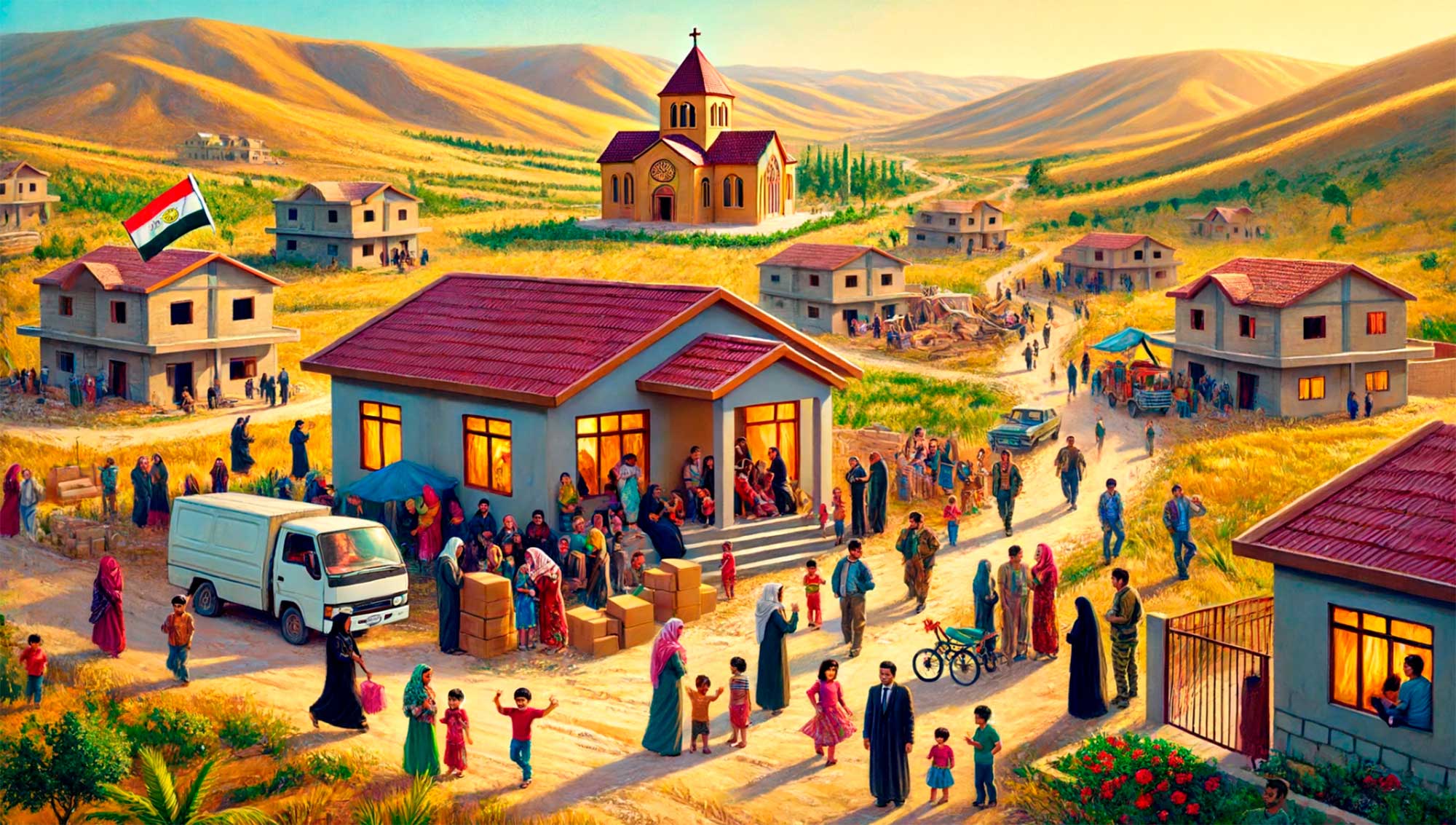
After a decade of forced exile, nearly 9,000 Christian families have returned to their homes in the Nineveh Plain, according to statements by Archbishop Bashar Warda of Erbil. This return marks a significant milestone following the devastating events of June 2014, when the Islamist group Daesh seized Mosul and surrounding villages, triggering a mass exodus of Christians, Yazidis and other minorities.
Between 4 and 10 June 2014, the capture of Mosul left Christian communities in the Nineveh Plain exposed to further attacks, culminating in a second advance on 6 August of the same year. This offensive forced thousands of Christians to seek refuge in Iraqi Kurdistan, where approximately 13,200 families found asylum in Erbil, the capital of the autonomous region.
Archbishop Warda recalled the moments of fear and sadness that still linger in the collective memory of these families. However, he also highlighted the resilience and determination of the Christian community to rebuild its future. “Churches are filling up again,” he said, “and there are many children receiving catechism and preparing for their First Communion.”
A key institution in this revitalization is the Catholic University of Erbil, Iraq’s only Catholic university, founded in 2015. This institution not only represents an educational bastion but also a symbol of hope and continuity for the Christian community in the region.
Even though direct persecution has diminished, Archbishop Warda noted that the pressure of being a minority remains a real concern. “Our community needs all the help it can get to keep the flame of the Christian faith shining in the historic heart of Iraq,” he said. He emphasized the importance of patience and perseverance, and conveyed the desire of young people to have access to employment, not just handouts. “They are asking for work,” he explained, stressing that economic stability is crucial for the community’s recovery and growth.
This mass return to the Nineveh Plain symbolizes not only a return to physical homes but also a renewed commitment to faith and Christian identity in a region marked by conflict and resilience.