Persecution of Christians aggravates the scarcity of basic resources in the world
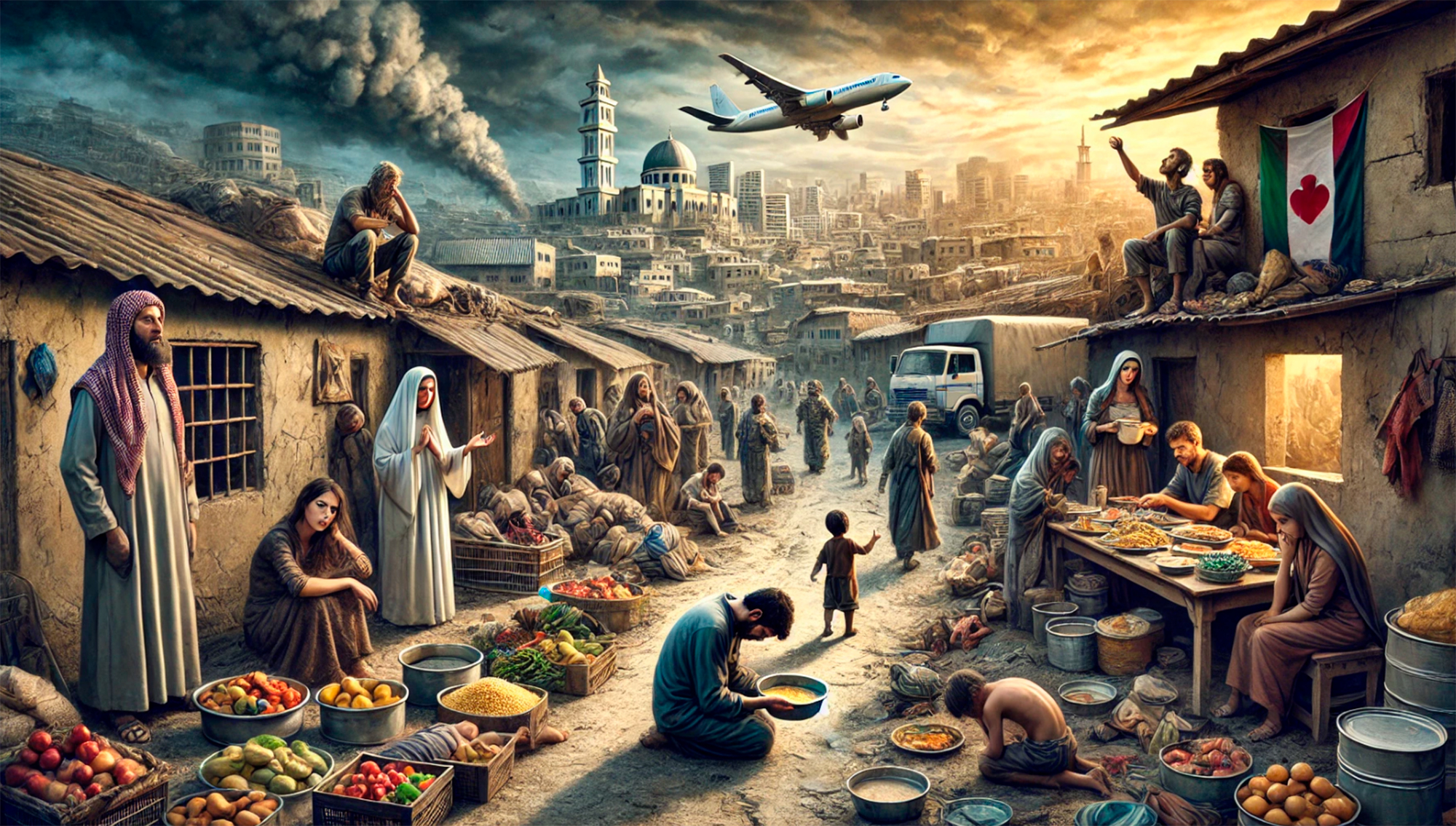
Religious persecution against Christians in various parts of the world is not only a matter of violation of human rights and religious freedom, but also has profound repercussions on the quality of life and access to basic needs of the affected communities. Systematic discrimination and violence directed towards Christians often result in a lack of access to food, basic necessities and schooling opportunities.
In many countries where Christians are persecuted, a direct link is observed between this persecution and the deprivation of essential resources. For example, in some regions of Africa and Asia, Christian communities face discrimination in the distribution of humanitarian aid, especially in times of crisis such as natural disasters or armed conflict. This intentional marginalization exacerbates food insecurity, as these communities receive less food and basic commodities compared to other groups.
Furthermore, Christians in these contexts often find themselves excluded from educational opportunities. Discriminatory policies can prevent access to public schools or result in a hostile environment within educational institutions, discouraging school attendance. Lack of education limits employment opportunities and perpetuates the cycle of poverty, further exacerbating the vulnerability of these communities.
Violence and intimidation also have a direct impact on the ability of Christians to earn a living. Constant threats and attacks on their homes and workplaces force many to flee their communities, leaving them without a means of livelihood. IDPs often live in extremely precarious conditions, with limited access to health services, sanitation and food.
Organizations such as SIT have documented these abuses and advocate for the protection and support of persecuted Christian communities. However, the solution requires a concerted global effort to ensure that all individuals, regardless of their faith, have access to the resources necessary for a dignified and fulfilling life.
Fighting religious persecution is not only a matter of justice, but also of ensuring that all people can live without fear and with access to the basic needs that are fundamental to human development and well-being.