The daily life of persecuted Christians in refugee camps: survival between faith and adversity
According to recent Open Doors reports, more than 380 million Christians will suffer high levels of persecution in 2024-25, with 4,476 faith-related murders recorded in the last year. Many of them flee to camps as internally displaced persons or international refugees, in extreme conditions where faith is often a cause of exclusion or violence.
In Nigeria and sub-Saharan Africa, Christians have been driven from their homes by extremist groups, causing a mass exodus to makeshift camps within the country or in neighboring countries. The number of internally displaced persons grew to 278,716 Christian families between October 2022 and September 2023 alone. In Myanmar, more than 100,000 Christians remain in camps since the military coup, with little sanitation or food guarantees.
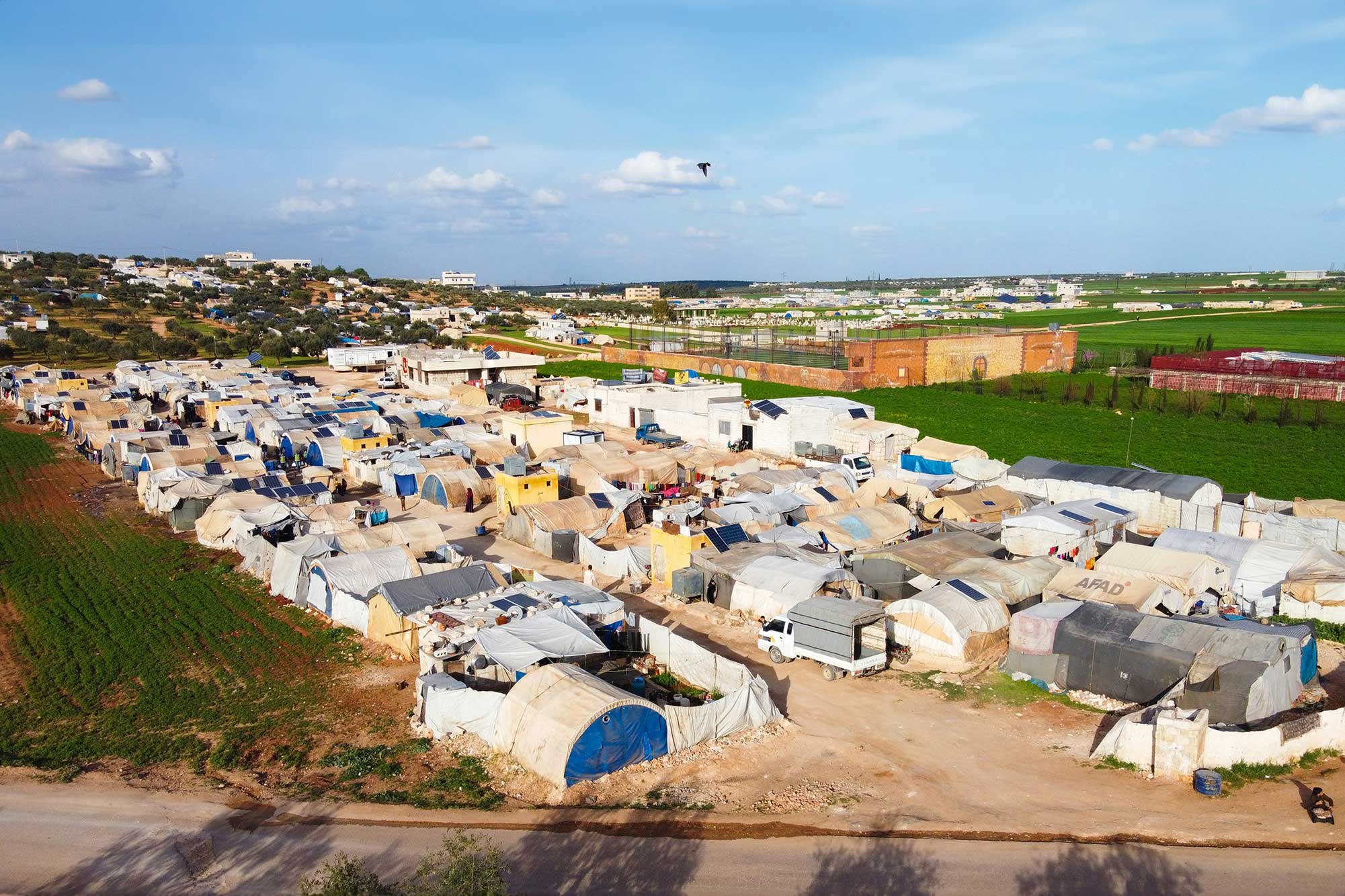
Daily life in these camps is a mixture of forced waiting, profound deprivation, and the constant exercise of spiritual resilience. Basic needs—clean water, shelter, food—are often scarce and precarious. Entire families live in overcrowded tents or makeshift structures, with nonexistent or insufficient sanitary facilities, exposing them to the risk of contagious diseases. Many men and women forgo school or work, as the search for sustenance becomes routine.
However, displaced Christians often organize themselves into faith communities within the camp: they pray together, share testimonies, and hold small clandestine churches or online meetings when possible. Although they face exclusion from humanitarian aid distribution in some countries, they actually find solace and strength in their spiritual conviction.
In areas like the Gaza Strip, more than 400 Palestinian Christians have been confined for more than fourteen months inside the Holy Family Church, which has been converted into a shelter. There, under constant bombardment, access to water or even a single drop of water a day becomes a monumental challenge. The community organizes itself into committees to address food, spirituality, and basic care.
In all these contexts, persecution not only forces displacement: it redefines each day as an act of faith and resistance. The everyday and the spiritual intertwine in a routine marked by waiting, fear, but also hope and the silent witness of a community that shuns silence even when all seems lost.