Christian representation in Türkiye drops from 20% to 0.2%
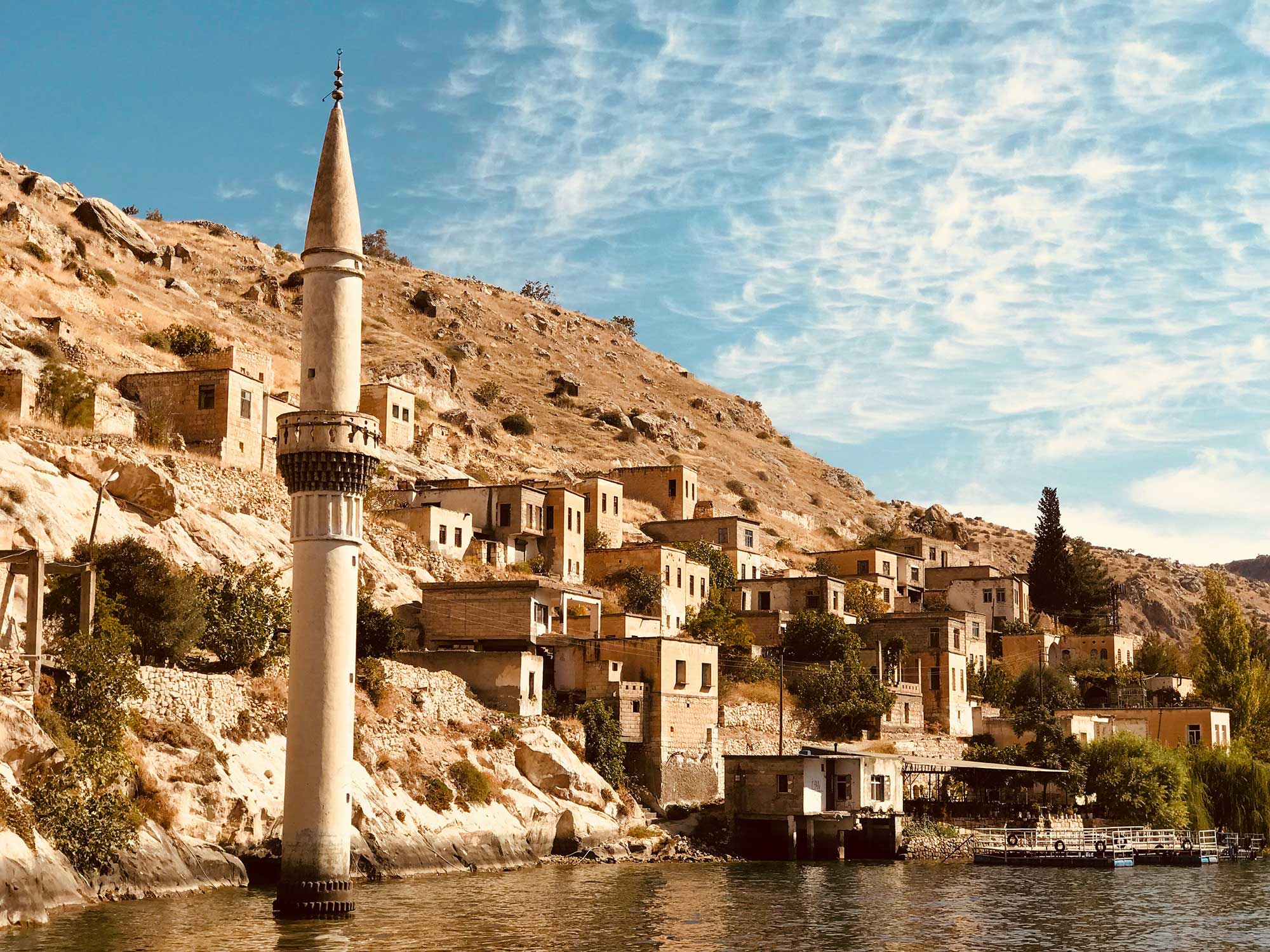
The situation of Christians in Turkey has been a matter of concern for several years, particularly due to their declining population and the marginalisation they suffer in a predominantly Muslim country. Although the Turkish Constitution guarantees freedom of religion, in practice, religious minorities, including Christians, face significant challenges.
Historically, Turkey was home to significant Christian communities, especially Greek Orthodox, Armenians and Syriacs. However, following the fall of the Ottoman Empire and the establishment of the Republic of Turkey in 1923, the Christian population has declined dramatically due to a series of events such as genocides, population exchanges, emigration and forced conversions.
Today, Christians are estimated to make up less than 0.2% of Turkey’s population, compared to almost 20% at the beginning of the 20th century. Churches and monasteries that were once vibrant centres of worship and community are now often in ruins or have been converted into museums, as is the case with the iconic Hagia Sophia in Istanbul.
In addition to population decline, Christians in Turkey face social discrimination and legal difficulties. Non-Muslim religious communities struggle to gain official recognition, preventing them from formally owning property. Christians also face difficulties in training and educating their religious leaders, as theological seminaries have been closed or face severe restrictions.
In the current political context, marked by a government that has promoted a more nationalist and Islamist approach under President Recep Tayyip Erdoğan, tensions have escalated. Although the Turkish government insists that it respects religious freedom, the reality for many Christians is a constant struggle to maintain their religious identity and practice in an increasingly hostile environment.
The international community and various human rights organizations continue to monitor the situation, calling on the Turkish government to protect the rights of all its citizens, regardless of their religion.