Insufficient international protection for persecuted Christians
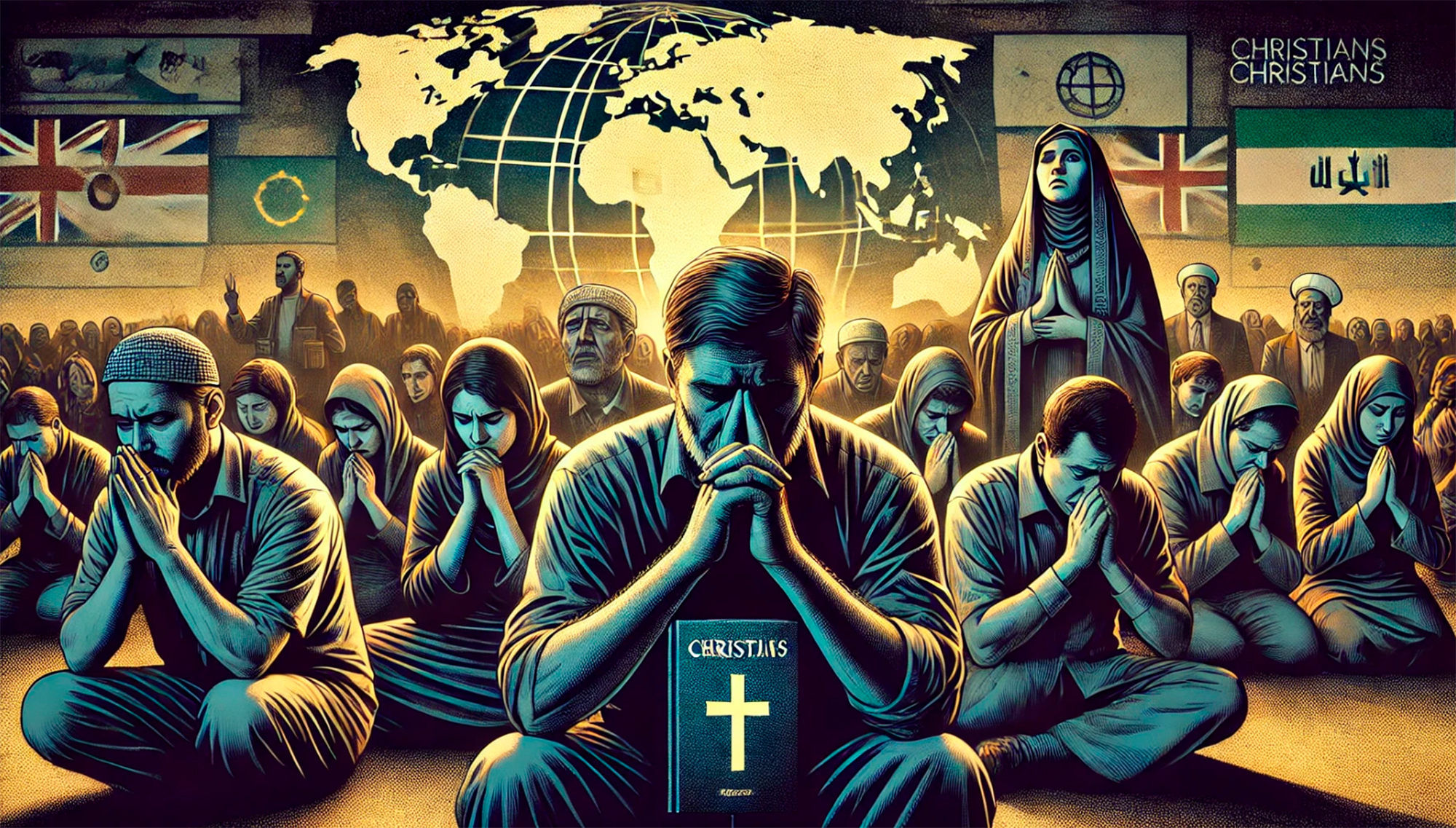
Globally, the persecution of Christians is a worrying phenomenon affecting millions of people. However, international policies aimed at protecting this religious community are scarce and, in many cases, ineffective.
In theory, persecuted Christians should be protected by various international human rights standards, such as the United Nations Universal Declaration of Human Rights, which establishes the right to freedom of thought, conscience and religion. However, in practice, these protections are insufficient. Agencies such as the UN and non-governmental organizations have repeatedly denounced religious persecution, but concrete actions to protect Christians are often limited and ineffective.
One of the main problems is the lack of specific and binding mechanisms to address the persecution of Christians. Most international policies address religious freedom in a general way, without focusing on the protection of Christians as a specific group. This leaves many vulnerable communities without the necessary support. In addition, the implementation of existing regulations depends largely on the political will of member states, which varies considerably.
In some countries, the persecution of Christians is systematic and government-sponsored, making international intervention difficult. Cases such as North Korea, where the totalitarian regime bans any form of religion not approved by the state, or countries in the Middle East and Africa, where extremist groups attack Christians, demonstrate the scale of the problem.
In conclusion, although there are international normative frameworks that should protect persecuted Christians, these are largely insufficient and lack specific and effective mechanisms. The international community needs to develop and implement more concrete and proactive policies to ensure the protection of the rights of this religious minority and guarantee their freedom and safety.