The uncertain future of Christians in Syria in the face of the new change of power
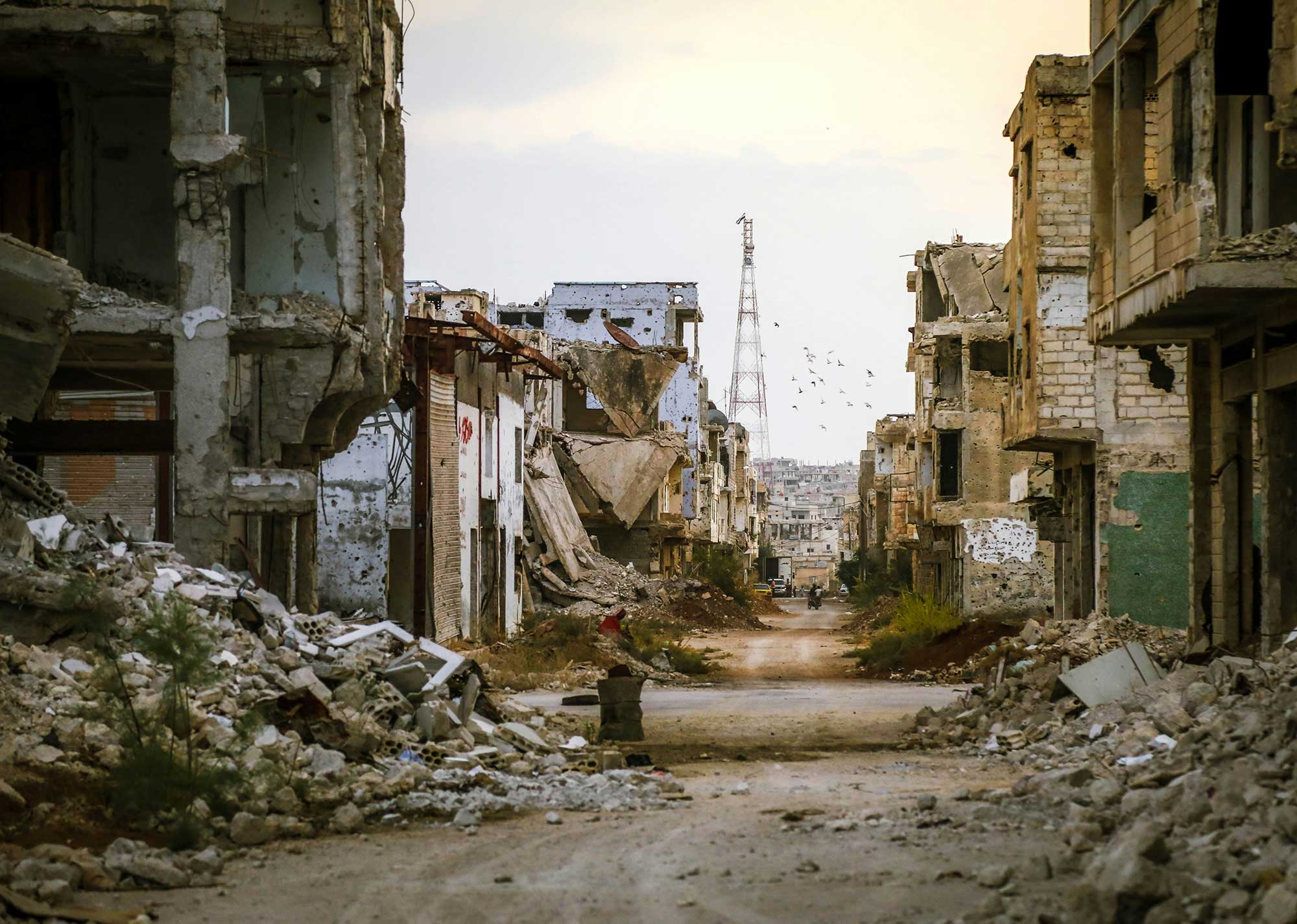
As conflict intensifies in Syria, Christians, who make up just 2% of the population, face a critical moment. As government forces and rebel groups like HTS and others backed by foreign powers take control, the Christian community continues to be caught in the middle of violence and mass displacement. The Idlib region, an opposition stronghold, is one of the scenes of major fighting, increasing pressure on religious minorities, including the country’s historic Christian communities.
In recent years, emigration has dramatically reduced the Christian population in Syria, and many religious leaders warn of possible cultural and spiritual extinction if urgent action is not taken. The exodus is attributed to insecurity, extreme poverty and lack of opportunities, but initiatives and projects of economic support and social services promoted by organizations such as Trinitarian International Solidarity (SIT) have proven effective in encouraging these communities to remain. These measures seek to offer stability and hope in a context of widespread humanitarian crisis, although recent events are worrying.
The future remains uncertain. The alliance of the Bashar al-Assad regime with Iran and Russia has been overthrown and an environment of militarization and repressive control with curfews for the civilian population and Christians in the region is becoming increasingly stronger. Meanwhile, international actors have been criticized for not prioritizing strategies that would safeguard the security of Christians in Syria, following the rise to power of HTS (descendants of Al Qaeda and with a strong tendency towards radical Islamization).
The survival of Christians in Syria will depend on a joint effort between local churches, humanitarian organizations and global actors that promote stability and respect for minorities within the framework of any future political resolution.